
‘Where are the drugs? The drugs are where the disease is not!’ – Nelson Mandela former South African President
Profiteering by big pharmaceutical companies is killing hundreds of thousands of HIV-positive patients in sub-Saharan Africa each year.
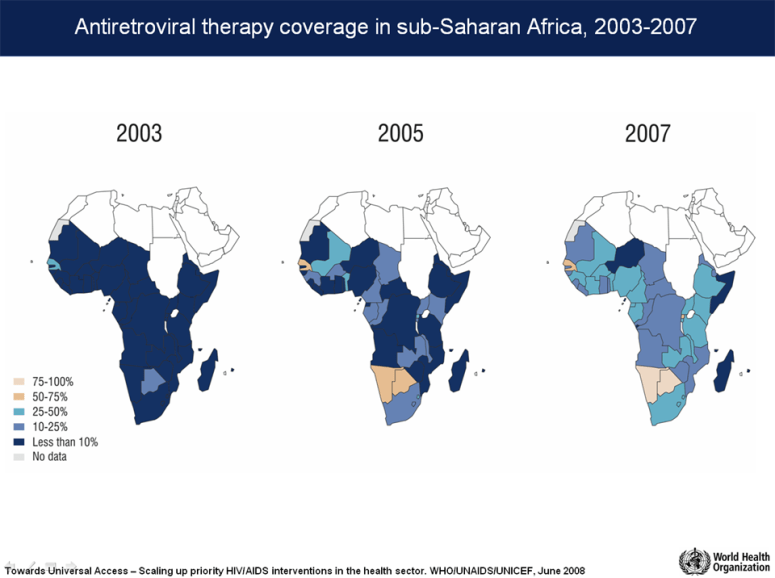
There are currently over 24.7 million people in sub-Saharan Africa living with HIV/AIDS1. Each year, 1.1 million of these Africans die due to AIDS-related illness1. Although effective treatment for HIV/AIDS exists, only 11% of North-African adults with HIV/AIDS are on these antiretroviral treatments2. Low rates of medicated disease often result from unaffordable expensive treatments.
Source: http://www.unaids.org/sites/default/files/media_asset/jc1585_salesbook_africa_en_0.pdf
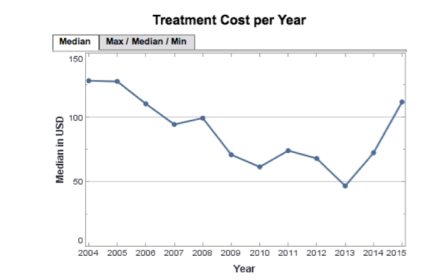
In 2006, the average cost of first-line antiretroviral medications was between US$ 123 and US$ 493 per person, with third line medications costing on average $1500 per person3. With the average sub-Saharan African income only $1,638 per year in 20154, ARV medications are unaffordable for many patients.
The price of progress?
The cost of ARV is often high due to patents held by drug developers that prevent cheaper, more generic brand drugs from being produced. Under international law maintained by the World Trade Organisation and supported by nations such as the Unites States, Australia and the United Kingdom, the developer of a drug is given exclusive rights over the sale and pricing of a new drug 20 years after it has been developed5.
Pharmaceutical companies often set the price of drugs much beyond the few cents it takes to make each dose of medication. Drug companies argue that high profit margins compensate for the significant costs associated with the research and development of new drugs6.
Do the benefits outweigh the costs?
Pharmaceutical industries believe they need high profit margins to encourage research and development. Indeed, the average drug costs US $ 800 million to develop and almost 12 years to pass through all the stages of development7. However, the international pharmaceutical market was worth 1.3 trillion in 2015, and drug companies are far from going bust7. Instead, the desire for high profit margins is reducing access to drugs, and in turn, killing patients in need.

Source: https://www.youtube.com/watch?v=eVf2UUu_w4o
What is being done to increase drug access in sub-Saharan Africa?
UNAIDS and The Global Fund are two organisations established by the United Nations to help increase access to ARVs in sub-Saharan Africa. Thanks to the Global Fund, 8.6 million previously unmedicated HIV-positive patients are receiving ARV treatment, with the fund having saved 17 million lives so far8. Advocacy is still needed, however, to encourage drug companies to reduce the price of their drugs so that more dying individuals can access the treatment they desperately need.
References
- Balkus JE, Brown ER, Hillier SL, Coletti A, Ramjee G, Mgodi N, et al. Oral and injectable contraceptive use and HIV acquisition risk among women in four African countries: a secondary analysis of data from a microbicide trial. Contraception. 2016;93(1):25-31.
- Joint United Nations Programme on HA. Fast-track: ending the AIDS epidemic by 2030. Geneva: UNAIDS. 2014.
- G Kahn J, A Marseille E, G Williams B, Granich R. Cost-effectiveness of antiretroviral therapy for prevention. Current HIV research. 2011;9(6):405-415.
- The World Bank. Sub-Saharan Africa (developing only) [Internet]. 2016 [cited 2016 28/3]. Available from: http://data.worldbank.org/region/SSA
- Correa CM. Intellectual property rights, the WTO and developing countries: the TRIPS agreement and policy options. Zed books; 2000.
- Kleinke JD. The price of progress: prescription drugs in the health care market. Health Affairs. 2001;20(5):43-60.
- PhRMA. 2013 profile: Biopharmaceutical research industry. 2013. Available from: http://www.phrma.org/sites/default/files/pdf/PhRMA Profile 2013.pdf
- The Global Fund. The Global Fund, [Internet]. 2016 [cited 2016 8/4]. Available from: http://www.theglobalfund.org/en/
Cover photo sourced from: http://gideonmendel.com/
 Bringing aid to the unaided
No surprises here. Drugs are a business but still a failure of the system.
LikeLike
You’re absolutely right. While we have come to expect high prices for drugs, the huge profit margins that pharmaceutical companies make off the worlds poorest are indefensible. Why should people with limited legal or political support be forced to die from infection while large companies profit from the few who can afford drugs? Worryingly, Australia indirectly supports these practices through the signing of the TRIPS agreement. You can read more about the TRIPS agreement and drugs as businesses here: http://www.who.int/bulletin/volumes/84/5/news10506/en/
LikeLike
Wow, to think that people are dying and families are suffering just so big pharmaceutical companies can make a few extra bucks.
Is there anything I can do, as an individual, to help provide people with the medication they need?
LikeLike
Thanks for your comment Weiyuan! I agree, it’s shocking to know that the big pharmaceutical companies are profiting off the back of the less fortunate. Fortunately, theres a lot you can do to help. If you’re able to spare a few dollars to donate, I’ve linked you our ‘donate’ page here: https://unaided.org/donate/ . This should outline some worthy causes of donation. Alternatively, if you’d like to be more proactive with your help, check out our ‘get involved’ menu for some volunteering events coming up soon around Australia!
LikeLike